
The Bathroom Blog
7 Costly Bathroom Design Mistakes (And How to Avoid Them)
Planning a new bathroom? Discover seven costly design mistakes homeowners often make and learn how to avoid them with expert advice from Cranleigh Bathroom Studios.
7 Costly Bathroom Design Mistakes (And How to Avoid Them)
Planning a New Bathroom? Read This Before You Start.
A new bathroom is one of the most rewarding investments you can make in your home. It’s a space you’ll use every single day, often beginning and ending your day there, so it’s worth taking the time to get it right.
While it’s easy to become excited by beautiful tiles, statement baths and luxurious brassware, the reality is that many of the most expensive bathroom mistakes happen long before the first tile is laid. In fact, the planning stage is often the difference between a bathroom you’ll love for years and one you’ll wish you’d designed differently.
At Cranleigh Bathroom Studios, we’ve helped homeowners create bathrooms of every shape, size and style. Along the way, we’ve seen the same avoidable mistakes crop up time and time again.
The good news? Every one of them can be avoided with a little planning and the right advice.
Here are seven costly bathroom design mistakes and, more importantly, how you can avoid them.
1. Falling in Love with Style Before Function
There’s nothing wrong with wanting a beautiful bathroom. In fact, every homeowner should.
The problem comes when appearance takes priority over how the room will actually work.
A stunning freestanding bath might look incredible on Pinterest, but does it leave enough room to move around comfortably? That wall-hung vanity may look sleek, but will it provide enough storage for a busy family? Large-format tiles create a luxurious feel, but are they the best choice for a compact room with awkward angles?
The best bathroom designs begin with questions like:
Who uses this bathroom every day?
How much storage is needed?
Will two people use it at the same time?
Is accessibility important now or in the future?
Does the layout make everyday life easier?
Only once these practical questions have been answered should you begin selecting finishes and colours.
💡 Expert Tip: Imagine your typical weekday morning. Walk through every step in your mind, from brushing your teeth to drying your hair. If the layout makes those routines easier, you’re on the right track.
2. Not Planning Enough Storage
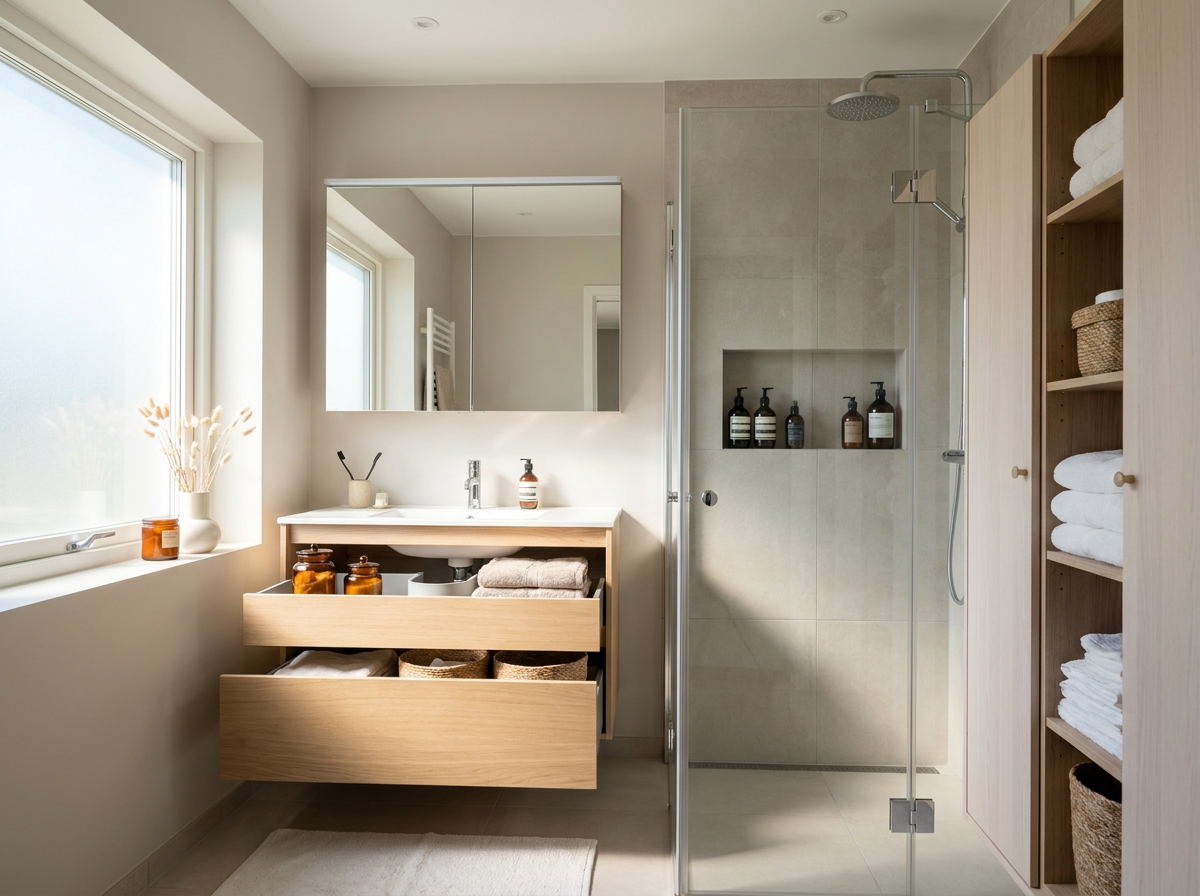
Storage is one of the most underestimated aspects of bathroom design.
It isn’t just about finding somewhere for shampoo bottles. Think about everything that quietly lives in your bathroom:
Spare towels
Toilet rolls
Cleaning products
Hairdryers
Straighteners
Electric toothbrush chargers
Skincare products
Medicines
Children’s bath toys
Without adequate storage, even the most luxurious bathroom quickly starts to feel cluttered.
Fortunately, modern bathroom furniture offers plenty of elegant solutions. Deep vanity drawers, mirrored cabinets, tall storage units and recessed shower niches all help keep surfaces clear while maintaining a clean, contemporary appearance.
A well-designed bathroom should feel calm, organised and effortless to use.
💡 Expert Tip: Hidden storage almost always looks better than open shelving. Display your favourite accessories, but keep everyday essentials neatly tucked away.
3. Getting the Lighting Wrong
Lighting has a remarkable impact on how a bathroom looks and feels, yet it’s often considered too late in the project.
Many bathrooms rely on a single ceiling light. While this provides basic illumination, it rarely creates a comfortable or practical environment.
Instead, think in layers.
Ambient Lighting
This is your main source of light and provides overall brightness throughout the room.
Task Lighting
Positioned around mirrors, task lighting helps with shaving, makeup application and everyday grooming without casting harsh shadows.
Accent Lighting
LED strips beneath vanity units, illuminated niches or subtle wall lighting create a warm, luxurious atmosphere, especially during the evening.
Natural light also plays an important role. If your bathroom has a window or rooflight, think carefully about how finishes and colours will look throughout the day.
💡 Expert Tip: Warm white lighting (around 3000K) usually creates a softer, more relaxing atmosphere than cooler white lighting, making your bathroom feel much more like a spa than a hospital.
4. Following Every New Trend
Bathroom trends are constantly changing.
One year it’s matt black fittings. The next it’s brushed brass. Then bold terrazzo tiles or fluted furniture.
While trends can be exciting, they shouldn’t dictate every design decision.
Bathrooms are significant investments and most homeowners expect them to last well over a decade. Choosing every finish purely because it’s fashionable today may leave the room feeling dated far sooner than you’d hoped.
A better approach is to build your design around timeless foundations such as quality furniture, neutral tiles and elegant layouts. Then introduce personality through accessories, mirrors, paint colours or lighting, elements that are much easier to update in the future.
💡 Expert Tip: If you absolutely love a current trend, use it as an accent rather than throughout the entire room. It’s easier and more affordable to refresh accessories than replace an entire bathroom.
5. Buying Products Before Creating a Plan
It’s surprisingly common.
Someone spots a beautiful freestanding bath online and buys it immediately.
Only later do they discover it blocks the doorway.
Or perhaps they’ve already ordered tiles before selecting furniture, only to realise the colours don’t complement each other.
Every bathroom is like a puzzle. Each piece influences the next.
The size of your basin affects your choice of tap. The shower enclosure influences the tile layout. Furniture determines storage, circulation space and even mirror positioning.
That’s why experienced designers always begin with a complete plan before choosing individual products.
It saves money, avoids costly changes and produces a far more cohesive result.
💡 Expert Tip: Resist the temptation to buy products simply because they’re on sale. Great bathroom design comes from careful planning, not impulse purchases.
6. Saving Money in the Wrong Places
Everyone has a budget.
The trick is knowing where it’s sensible to save and where it pays to invest.
High-quality brassware, waterproofing systems and installation work form the backbone of a successful bathroom. These aren’t the areas where cutting corners usually pays off.
A leaking shower, poor tiling or inferior fittings can quickly become far more expensive than choosing quality products from the outset.
On the other hand, there are areas where savings can often be made without compromising the overall result. Choosing a different tile format, simplifying a layout or selecting an alternative furniture finish may reduce costs while maintaining the same premium appearance.
Think long term rather than focusing solely on the initial price tag.
💡 Expert Tip: A bathroom should be viewed as a long-term investment. Spending slightly more on quality products today can save significant repair and replacement costs over the next ten to fifteen years.
7. Never Visiting a Bathroom Showroom
Online research is a brilliant place to begin.
But it shouldn’t be where your decision-making ends.
Photographs rarely tell the whole story.
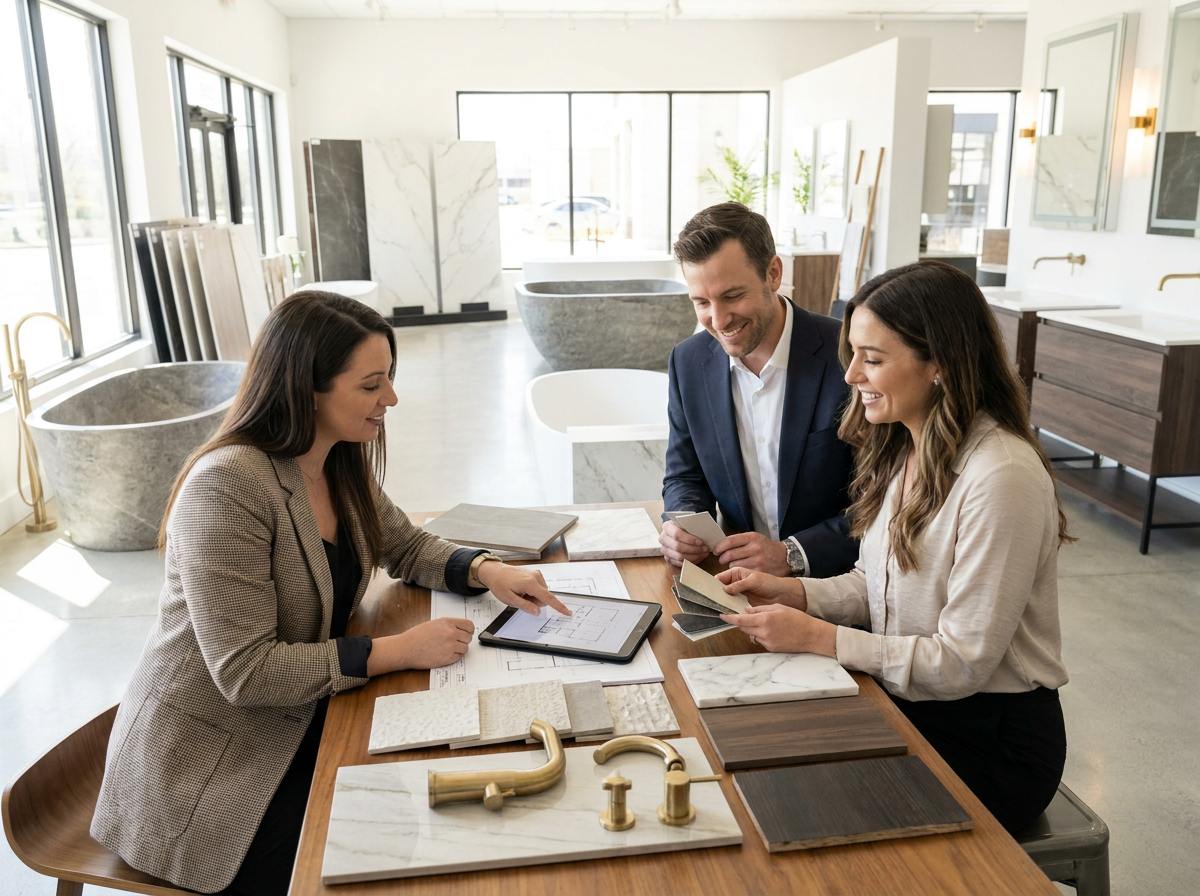
The texture of a tile, the quality of a tap, the finish on a vanity unit or the scale of a freestanding bath are all things that are difficult to appreciate on a screen.
Walking through a showroom allows you to compare products side by side, experience different layouts and discover ideas you may never have considered.
You’ll also have the opportunity to ask questions, discuss your project and benefit from expert advice based on years of experience.
It’s often the smallest conversations that prevent the biggest mistakes.
💡 Expert Tip: Take photos and measurements of your existing bathroom before visiting a showroom. It makes discussions far more productive and helps designers offer ideas that genuinely suit your space.
Before You Start Your Bathroom Project…
Before making any major decisions, ask yourself these five questions:
What frustrates me most about my current bathroom?
How do I use the room every day?
Which features matter most to me?
What is my realistic budget?
Do I want a bathroom that follows trends or one that will still look beautiful in ten years?
Your answers will help shape a bathroom that’s not only attractive but practical for years to come.
Final Thoughts
The most successful bathrooms aren’t created by chance. They’re the result of careful planning, thoughtful design and informed decisions made before any work begins.
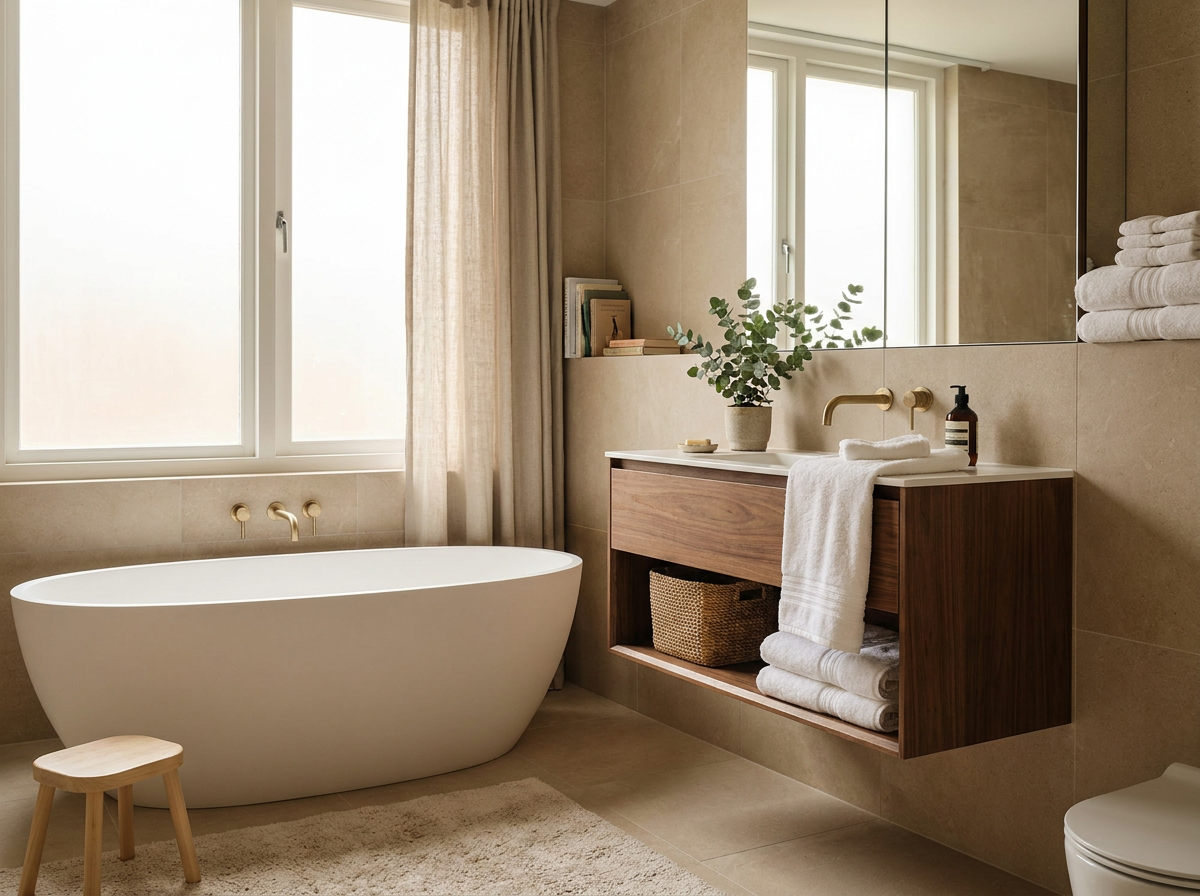
By avoiding these seven common mistakes, you’ll be well on your way to creating a bathroom that’s beautiful, functional and built to stand the test of time.
If you’re planning a new bathroom and would like expert advice, we’d love to welcome you to Cranleigh Bathroom Studios. Visit our showroom to explore inspiring displays, discover quality products and chat with our experienced team about bringing your ideas to life.
Want To Find Out More?
Pop into our showroom to see the latest in design, colours and trends. If you’re after advice on any aspect of your design, we’re here to help. Call us today or pop in and see us in Cranleigh. 01483 272727.
How to Renovate a Bathroom
Renovating your bathroom can be a daunting task. There are so many things to consider: the layout, the design, the colours, the materials… where do you start?

Renovating Your Bathroom Doesn’t Need to Be Stressful!
Renovating your existing bathroom can be a daunting task. There are so many things to consider: budget, layout, design, colours, the materials… where do you start? In this article, we will take you through a step-by-step guide on how to renovate your bathroom. We will also provide some helpful tips and advice along the way. So whether you are just starting out on your renovation journey or you are nearing the end, read on for some invaluable information!
Aside from the kitchen. bathroom remodelling is likely to be the biggest priority for a house, rarely does it get the attention of the whole our family! Nonetheless today we expect surprisingly good things about our bathroom facilities. Not simply do we want the sanctums to be fulfilled, but we also wish that the restorative spaces be tranquil. A cold, poorly designed bathroom begins or ends the day in a bad place, while the elegant and well-stocked bathroom will make it much more comfortable than any room at home.
Organise your tradespeople
Find recommendations from friends and family regarding fittings. Always seek a reference from someone and you should ensure you pick someone you trust as they might be at home for some time. Remember that the cheapest can't necessarily lead to the finest service. If you want to remove walls or replace existing doors or joists, check with your local building control office if your building needs approval. Purchase a suite or furniture from a reputable retailer such as Cranleigh Bathroom Studios, who can also help with the installation, which could ultimately save you money.
Consider The Basics
First, determine your budget and stick to it. This will help guide your decisions and prevent any overspending or surprises down the line. Next, consider the layout of your bathroom and how you want it to function. Do you want a bathtub or just a shower? Are there any specific features you want to include, such as a heated floor or a vanity mirror?
Once you have an idea of the layout and functionality, it’s time to choose your materials and finishes. Consider the colour scheme and pick out tiles, fixtures, and accessories that complement each other. You may also want to research different manufacturers and brands to see what options are available for your budget range.

Choose a layout
While it may appear intimidating, having a proper bath design from the beginning will determine whether it is an excellent design or just sufficient. Also, transferring waste via water pipe can cost more than necessary. Replacing fittings and flooring with tiled or coloured wall surfaces will provide a more innovative feel. If the layouts are wrong then consider the ways of making small but efficient changes. Removing doors or adjusting sliding doors can help with increasing the space.
There are a few steps to designing a bathroom layout, such as considering the functionality of the space and how you want it to be used (shower, bathtub, etc.). It’s important to measure the dimensions of your bathroom and plan out where each fixture will go and keep in mind any necessary plumbing or electrical work that may need to be done. Finally, consider the layout from a design perspective and incorporate elements like storage, lighting, and aesthetics. Working with a professional designer or architect can also be helpful in designing the perfect layout for your space. Next, it’s time to start the actual renovation process. This will involve removing old fixtures and materials, levelling bathroom floors, and installing new ones. It’s important to create a schedule of work so you can plan out the timeline and ensure everything is done in a timely and efficient manner. Don’t forget to factor in any necessary building permits or inspections, as well as the cost of hiring professional contractors if needed.
Ask experts
When it comes to designing bathroom plans, it is best to seek professional advice early in the process. Visit bathroom showrooms and websites as the company will be able to tell you about modern materials and technologies, as well as offering many options for tiny spaces in bathrooms. Furthermore, they will possess extensive experience in maximising space and also minimising costly errors. Once the budget and plan is complete, visit an experienced showroom such as Cranleigh Bathroom Studios.

What bathroom design should I consider for the size of the room?
The size of the room may limit certain design options, but there are still many ways you can make the most of a small or large space. For smaller bathrooms, consider incorporating storage solutions and making use of vertical space. In larger bathrooms, adding luxury features like a freestanding tub or separate shower and bath area. Ultimately, it’s important to consider the layout and functionality that best suits your needs and fits within your budget.
Factor in storage
Storage plays an essential part for successful bathrooms, but minimal glass shelves won't suffice! Keep the design clean by hiding away everyday essentials, so there should be no shampoo bottles sitting in the bathroom! The vanity has plenty of storage and a large closet for towels and think about other innovative ideas for storage, such as turning ordinary bookshelves into bathroom storage. Mirror cabinets can also allow for the storage and charging of toothbrushes and electric razor batteries.
What are some cost-effective ways to renovate a bathroom?
Some cost-effective renovation ideas include using budget-friendly materials, reusing fixtures or features that can still be functional, and doing some of the work yourself instead of hiring contractors. It may also help to set priorities for your renovation project and focus on updating key elements.
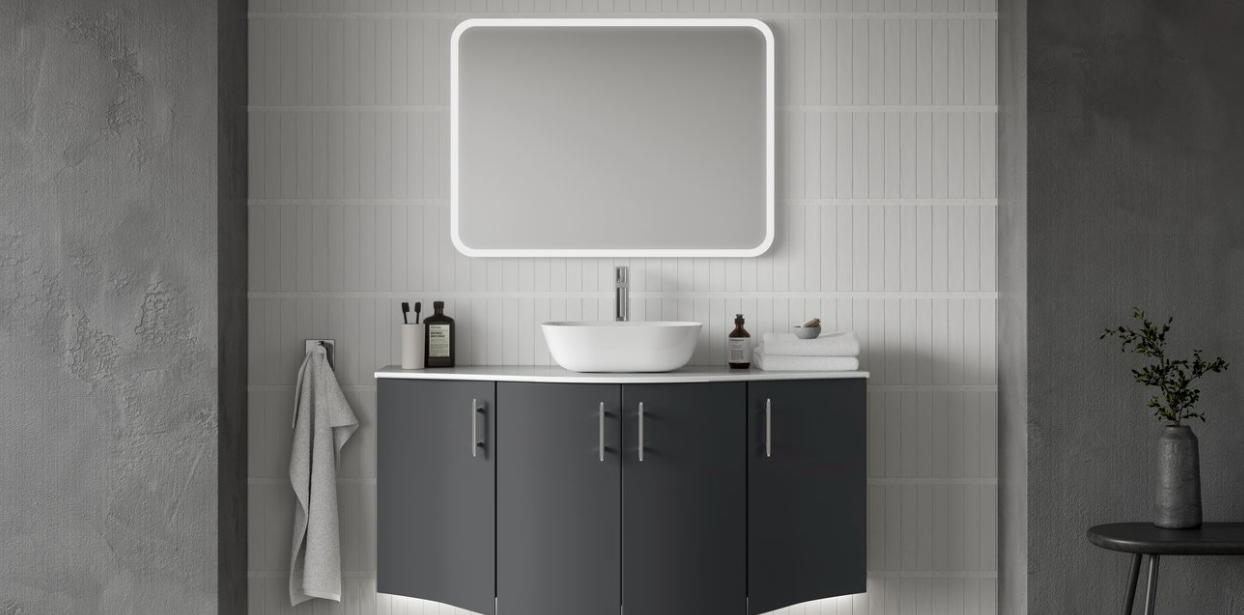
What are the latest trends in bathroom design?
Some current trends in bathroom design include incorporating natural elements and materials, using bold colors and patterns, adding statement lighting fixtures, and focusing on creating a spa-like atmosphere. Technology is also becoming increasingly popular with options such as heated floors and integrated music systems. However, it’s important to consider personal preferences and choose designs that fit your individual style and needs.
What are the most popular bathroom tile designs?
Some popular bathroom tile designs include subway tiles, hexagon tiles, and herringbone patterns. Popular colors for bathroom tiles currently include shades of gray, white, and neutral tones, as well as black and navy accents. Ultimately, the best design and color will vary depending on individual preferences and the overall style of the bathroom.

Is it easy to install free-standing baths?
This will depend on the specific type of free-standing bath and the current layout of the bathroom. It’s always a good idea to consult with a professional to ensure proper installation and to determine if any extra modifications or preparations may be necessary. In some cases, hiring a professional contractor may be necessary for a successful installation.
Setting a budget
You can start with a budget for bathroom renovation after deciding on bathroom supplies. It is necessary to consider the following costs: sanitary equipment and fitted furniture; wall and floor coverings; lighting and ventilation; and installation costs. The pricing of fixtures and fittings may differ considerably depending upon the manufacturer of the product or its installation. The labour cost varies likewise depending upon the size of your bathrooms and the plumbing work that your home requires.
Decide what level of service you need
Generally, this depends upon your budget. Cranleigh Bathroom Studios offers turnkey services including everything to the design and installation of a bathroom and will also help decorate as part of the overall budget. While it may not be the most economical option, it can repay your project quickly and easily. Alternatively, you can design it yourself or hire a plumber or builder. It takes more time for you to produce the finished look, but it will cost less. Bear in mind, that there's nothing better than to see the product in person, so take a chance to visit showrooms.
What are the costs of renovating a bathroom?
The cost of renovating a bathroom will vary depending on factors such as the size of the space, the materials and fixtures chosen, and whether or not professional contractors are hired. In general, budget £3,000-£5,000 for a basic renovation and £10,000+ for a high-end overhaul.

Which bathroom manufacturers should I choose?
Ultimately, the best manufacturer will depend on your specific needs, budget, and personal preferences. Some options to consider when researching and comparing manufacturers include Burlington, Laufen, Vitra, and Roper Rhodes. Thomas Crapper are well-known brands, but may have a higher price point. It’s a good idea to also consult with professionals and browse design showrooms for additional options and ideas.
How do you level bathroom floors?
If your bathroom floors are uneven, there are a few steps you can take to level them. First, remove any old flooring or tiles and clean the surface thoroughly. Next, apply self-levelling compound to the surface using a trowel or squeegee. Allow it to dry according to the product instructions and then apply your new flooring of choice. It’s important to note that this process can be difficult and time-consuming, so hiring a professional contractor may be necessary.
What colour schemes are great for a bathroom?
There are no hard and fast rules when it comes to choosing a bathroom colour scheme. Some popular options include neutral tones like white, grey, and beige or bolder colours like blue or green. It’s ultimately up to your personal preference and what complements the overall design of your bathroom. You can also consider incorporating accent colours through tiles, accessories, or other features. Have fun with it and make the space your own!
Bathroom Renovation Checklist
Set a budget and timeline
Plan out the layout and design
Remove old fixtures and materials
Install new fixtures and finishes
Hire professional contractors if necessary
Ensure all safety codes and building permits are met
Enjoy your beautiful, newly renovated bathroom!

tips for maintaining a newly renovated bathroom
Keep surfaces clean and dry to prevent mold or mildew growth.
Regularly inspect fixtures, tiles, and grout for any cracks or damage.
Have a plan for proper ventilation to prevent moisture buildup.
Implement a schedule for deep cleaning and replacing old towels, rugs, and other materials as needed.
Consider using water-resistant or waterproof materials where possible.
Keep an emergency kit on hand with supplies like caulk, grout, and sealant for quick fixes.
Follow these tips to ensure that your newly renovated bathroom stays in top shape for years to come.
Lastly, once all the work is done, it’s time to sit back and enjoy your newly renovated bathroom! Remember to regularly maintain and clean it to keep it looking its best. Overall, renovating a bathroom can be challenging, but rewarding. By following this step-by-step guide and keeping your budget in mind, you’ll be able to create a beautiful and functional bathroom space that you can enjoy for years to come.
We hope this guide has provided some insight and guidance on how to renovate your bathroom. Remember to prioritise functionality, stick to your budget, and have fun with the design process. Happy renovating!
Want To Find Out More?
Pop into our showroom to see the latest in design, colours and trends. If you’re after advice on any aspect of your design, we’re here to help. Call us today or pop in and see us in Cranleigh. 01483 272727.